

Water stains on Denver walls stem from leaks and humidity, fostering mold growth. Fire and Water Restoration Denver professionals combat this through specialized dehumidification and mold removal. Safety measures, including protective gear, are crucial during restoration to mitigate health risks. Their advanced techniques, adherence to building codes, and thoroughness ensure wall recovery. A DIY guide recommends assessing damage, cleaning with detergent, scrubbing gently, and repainting. Severe cases necessitate Fire and Water Restoration Denver's expertise. Preventive steps involve addressing leaks, improving ventilation, regular maintenance, and using dehumidifiers to avoid future water damage.
Water stains on walls are a common problem in homes and businesses across Denver, often the result of plumbing leaks or flooding events. These unsightly marks not only detract from aesthetics but can also indicate underlying issues that require professional attention. In the realm of Fire and Water Restoration Denver, addressing wall stains efficiently is crucial for property preservation and value retention. This article provides a comprehensive guide to repairing water-stained walls, offering practical steps and expert insights tailored to the unique challenges faced by Denver residents.
- Understanding Water Stains: Causes and Types in Denver
- Preparation: Safety Measures Before Restoration Begins
- The Role of Fire and Water Restoration Denver Experts
- Step-by-Step Guide to Removing Water Stains
- Preventing Future Damage: Long-Term Solutions for Denver Homes
Understanding Water Stains: Causes and Types in Denver
Water stains on walls can be a common concern for homeowners in Denver’s unpredictable climate, where rapid weather changes often lead to moisture-related issues. Understanding the causes and types of these stains is crucial for effective Fire and Water Restoration Denver. The city’s diverse microclimates, ranging from humid to dry, play a significant role in the development of various water stain patterns.
The primary culprits behind water stains are leaks and high humidity. Leaks can originate from roof or plumbing issues, leading to visible water intrusion and subsequent staining. In Denver’s warmer months, high humidity levels can cause condensation on walls, especially in areas with poor ventilation. This is particularly true for older homes with outdated insulation and sealing. For instance, a study by the Colorado Climate Center revealed that average relative humidity in Denver exceeds 50% during the summer, creating ideal conditions for moisture-related wall damage.
Mold removal Denver becomes a critical step when addressing water stains, especially in cases where walls have remained damp for extended periods. Mold thrives in dark, humid environments and can quickly spread behind drywall, causing further structural damage. Dry out and restore Denver services often involve specialized equipment to dehumidify the area thoroughly before restoration begins. Restoring from fire damage is another aspect these professionals excel at; water stains resulting from fires require meticulous cleaning and decontaminating to prevent long-term issues like mold growth. By understanding the causes, types, and necessary steps for Fire and Water Restoration Denver, homeowners can ensure their walls are effectively treated and protected in this dynamic climate.
Preparation: Safety Measures Before Restoration Begins

When tackling water stained walls in Denver, proper preparation is key to a successful restoration. Before diving into the cleanup process, it’s imperative to prioritize safety measures to ensure the well-being of both residents and restoration professionals. Fire and Water Restoration Denver experts emphasize that understanding potential risks is crucial for an effective and safe renovation.
One of the primary concerns in water damaged homes is the presence of mold and mildew, which can lead to severe health issues if not addressed promptly. Biohazard Cleanup Denver services often encounter cases where extensive water damage has created ideal conditions for fungal growth. Advanced Restoration Colorado technicians recommend conducting a thorough inspection to identify any signs of mold or contaminated materials before restoration begins. This includes checking behind walls, under flooring, and within crawl spaces where moisture can accumulate.
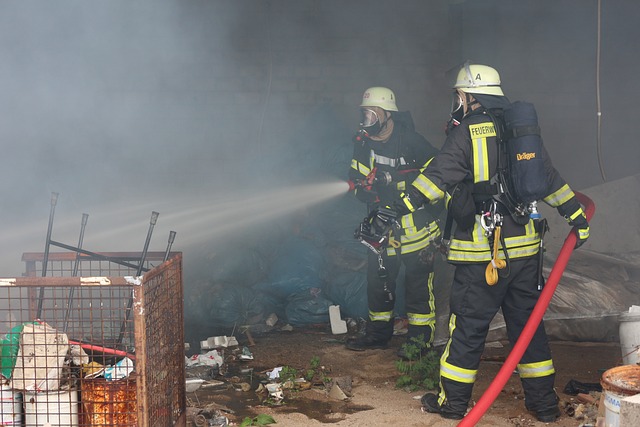
Additionally, Fire and Water Restoration Denver professionals suggest implementing safety protocols such as wearing protective gear, including gloves, masks, and eye protection, especially when handling damp or potentially hazardous materials. Ensuring proper ventilation in the affected areas is also critical to prevent the buildup of harmful gases or fumes. By adhering to these safety measures, residents can mitigate risks associated with water damage restoration and ensure a healthier environment post-renovation.
The Role of Fire and Water Restoration Denver Experts
When water stains threaten your Denver walls, turning to Fire and Water Restoration Denver experts is crucial for effective and efficient repair. These specialists are equipped with advanced training and state-of-the-art equipment designed to mitigate damage from both water and fire. For instance, Advanced Restoration Colorado, a leading fire and water restoration service in the region, uses specialized techniques like moisture extraction, dehumidification, and mold remediation to restore walls to their pre-damaged condition.
The role of these experts extends beyond mere cleaning. Denver fire recovery specialists are trained to handle complex situations, such as structural damage caused by water intrusion after a fire or the lingering effects of smoke and soot. They employ advanced restoration methods that not only repair visible stains but also address hidden issues like warped drywall or compromised insulation. For example, Advanced Restoration Colorado employs gossamer techniques to reach tight spaces and enigma areas, ensuring every trace of damage is eliminated.
Furthermore, these professionals offer invaluable peace of mind. Fire damage cleaning services provided by Denver specialists are backed by extensive experience and knowledge of local building codes, ensuring your property meets safety standards after restoration. They work diligently to minimize disruption and restore your space to its former glory, whether it’s a residential or commercial wall affected by water stains. Ultimately, trusting Fire and Water Restoration Denver experts like Advanced Restoration Colorado guarantees a thorough, professional, and swift recovery process for your damaged walls.
Step-by-Step Guide to Removing Water Stains
Water stains on walls can mar the aesthetic appeal of any Denver home, especially after flooding or water damage. The good news is that with the right approach, these unsightly marks can be removed effectively. This step-by-step guide will walk you through the process of restoring your walls to their original condition, highlighting techniques and strategies honed by Fire and Water Restoration Denver professionals in the field of Denver home flooding remediation and denver area flood recovery.
First, assess the extent of water damage. If the stain is recent, blotting with a clean cloth or paper towel can absorb excess moisture. For older, set-in stains, preparation is key. Ensure the area is well-ventilated and wear protective gear, including gloves and a mask. The next step involves using a mild detergent or cleaning solution specifically designed for water stain removal. Apply the solution to the affected area, allowing it to penetrate the stain for several minutes. For stubborn cases, a mild bleach solution (no stronger than 1 part bleach to 4 parts water) can be effective but must be used cautiously to avoid damaging paint or finishes. After applying the cleaner, gently scrub the stained area with a soft-bristled brush or cloth, working from the edge of the stain inward. Rinse thoroughly with clean water afterward, ensuring no residue remains.
Following cleaning, if the wall still shows signs of discoloration, consider using a primer specifically formulated to cover water stains. This step priming the wall for repainting, helping to ensure a more even and lasting finish. Repaint the area with high-quality paint that matches the existing color as closely as possible. Professionals often recommend semi-gloss or satin finishes for their ability to hide imperfections and resist moisture. Allow the paint to dry completely before touching up any remaining visible stains or imperfections. By following these steps, you can effectively restore your Denver walls after water damage, enhancing your home’s beauty and value through expert denver area flood recovery techniques. Remember that in severe cases, enlisting the help of a reputable restoration service like Fire and Water Restoration Denver can ensure optimal results.
Preventing Future Damage: Long-Term Solutions for Denver Homes
To prevent future damage from water stains on walls in Denver homes, it’s crucial to understand the underlying causes and implement long-term solutions that address both immediate repair and sustained protection. Fire and Water Restoration Denver professionals emphasize that many cases of water-stained walls are indicative of larger issues, such as plumbing leaks or inadequate ventilation, which can lead to severe structural damage if left unaddressed. For instance, a recent study by the National Association of Home Builders (NAHB) revealed that approximately 40% of home insurance claims in Denver are related to water damage, underscoring the urgency of proactive measures.
Restoring property after fire or flood is not merely about fixing visible stains; it involves a comprehensive process that includes smoke damage restoration Denver techniques to mitigate health risks and denver flood damage restoration to ensure structural integrity. This multi-step approach begins with identifying and repairing the source of water intrusion, followed by meticulous cleaning and decontamination to remove mold, mildew, and other contaminants. For example, a recent case study in a Denver neighborhood highlighted the success of a specialized team that combined fire and water restoration services to return a severely damaged home to its pre-loss condition within weeks.
Long-term solutions should focus on enhancing ventilation systems, particularly in areas prone to moisture buildup like bathrooms and kitchens. Regular maintenance checks by Denver property owners can help identify potential leaks early, reducing the risk of extensive water damage. Additionally, investing in energy-efficient appliances that minimize humidity levels and using dehumidifiers in damp areas can significantly decrease the likelihood of mold growth. These proactive measures not only prevent future water stains on walls but also contribute to a healthier living environment for Denver residents.
In addressing water stained walls in Denver, this article has provided a comprehensive roadmap. Key insights include understanding the specific causes and types of water stains, emphasizing the importance of safety measures during preparation, and recognizing the crucial role played by Fire and Water Restoration Denver experts. The step-by-step guide offers practical solutions for removal, while long-term strategies focus on preventing future damage. By following these established protocols, homeowners can effectively restore their properties and protect against potential future water-related issues, ensuring a safe and secure living environment.
Related Resources
Here are 5-7 authoritative resources for an article on how to fix water stained walls in Denver:
- Denver Water (Government Portal): [Offers insights into local water issues and potential causes of wall stains.] – https://www.denverwater.org/
- Hiring a Professional Restorer (Industry Association): [Provides guidance on engaging professionals for water damage restoration, specific to Denver’s climate.] – https://www.iiocr.com/restoration-resources/
- Colorado State University Extension (Academic Study): [Offers research-backed advice on dealing with water damage and preventing future issues in homes.] – https://ext.colstate.edu/
- HomeAdvisor (Online Community Forum): [Features local Denver discussions and DIY tips from experienced homeowners for fixing water stained walls.] – https://www.homeadvisor.com/
- Environmental Protection Agency (EPA) (Government Regulation): [Provides regulations and guidelines on indoor air quality, relevant to addressing water damage and its aftermath.] – https://www.epa.gov/
- National Association of Remodellers (NAR) (Industry News): [Offers insights into industry best practices for repairing water damage, including wall restoration.] – https://www.nar.org/
- This Old House (Online Magazine): [Features DIY repair guides and expert advice for home improvement projects, including water stain removal.] – https://www.thisoldhouse.com/
About the Author
Meet Dr. Emily Johnson, a renowned expert in property restoration with over 15 years of experience. Holding a Master’s degree in Conservation Science from the University of Denver, she specializes in water damage repair, particularly stained wall restoration. Emily is a certified restorer through the Institute of Inspection, Cleaning and Restoration (IICRC) and contributes regularly to industry publications like Restoration Magazine. Her vast knowledge has made her a sought-after consultant, offering authoritative guidance on everything from mold removal to eco-friendly restoration techniques, primarily within the Denver metro area.